
Monthly Close Pack
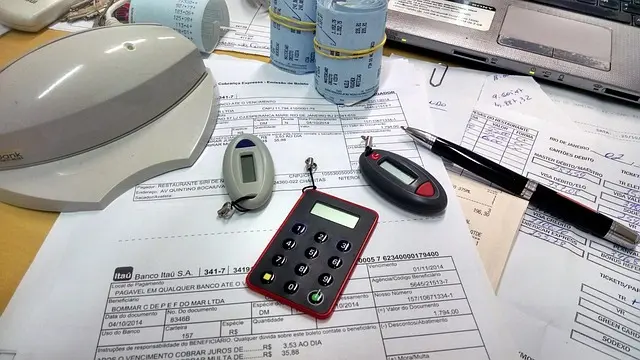
A repeatable monthly close process that actually sticks.
This pack turns the monthly close from an ad-hoc scramble into a disciplined and documented workflow. Think of it as "closing the shop" at the end of the day: you count the drawer, sweep the floors, and lock the doors so that you can start fresh tomorrow with confidence. Without a proper close, errors compound, and your financial reports become unreliable fiction.
The Philosophy of the Close
The monthly close isn't just about checking boxes; it's about verifying the truth of your business's financial story. It transforms raw data into actionable intelligence.
- Accuracy: It forces you to pause and ensure every transaction is categorized correctly.
- Completeness: It confirms that all activity for the period has been recorded.
- Cut-off: It ensures that revenue and expenses are recorded in the correct period (accrual accounting).
An effective close results in Audit-Ready Records: books that are organized, supported, consistent, and defensible. Whether for a loan application, a tax audit, or a potential buyer, your records should stand up to scrutiny without you having to scramble for explanations.
Roles and Responsibilities
A smooth close requires clear ownership. Even in a small team, defining these roles prevents tasks from falling through the cracks:
- The Bookkeeper (Doer): Responsible for data entry, bank feed management, and initial reconciliations. They are the first line of defense against errors.
- The Controller (Reviewer): Reviews the work, posts adjusting journal entries (like accruals or depreciation), and investigates variances. They ensure the accounting principles are applied correctly.
- The Owner/CFO (Sign-off): Reviews the final financial statements for reasonableness and strategic insight. They give the final "thumbs up" to lock the period.
Template details
What's included
This pack provides the framework for a professional-grade close process:
- Monthly Close Checklist: A comprehensive list of tasks to be completed, ordered logically (e.g., "Reconcile Bank Accounts" before "Review P&L"). It includes columns for "Owner," "Due Date," and "Status."
- Reconciliation Schedule: A master list of all balance sheet accounts that need to be reconciled, along with their current status and any open items. Reconciliation is your "truth serum"—it proves that the numbers in your software match reality (the bank statement).
- Accrual Tracking Worksheet: A tool to calculate and track necessary month-end adjustments for expenses incurred but not yet paid, or revenue earned but not yet billed.
- Review and Sign-off Page: A formal document where the preparer and reviewer sign and date the close, creating an audit trail of accountability.
- Month-over-Month Variance Template: A simple analysis tool to highlight significant changes from the previous month. Why did "Office Supplies" jump 200%? This prompts the necessary investigation before reports go to stakeholders.
- Final Close Certification Page: A summary sheet stating that all accounts are reconciled, all adjustments are posted, and the books are officially "closed" for the period.
Who it's for
- Bookkeepers managing multiple clients: Standardize your workflow across all clients to ensure consistent quality and reduce mental switching costs.
- Small businesses with recurring reporting needs: If you have investors, a board, or a bank loan, a formal close process signals professionalism and reliability.
- Teams preparing for audits or lenders: A documented close process is often a requirement for external scrutiny.
Outcomes
- Faster Closes: By following a checklist, you eliminate the "what do I do next?" delays.
- Fewer Surprises: Catching errors monthly means year-end tax time is a breeze, not a nightmare.
- Stronger Internal Controls: Defined roles and sign-offs reduce the risk of fraud and error.
Common Monthly Close Mistakes
Even with a checklist, watch out for these pitfalls:
- Skipping Reconciliations: Never, ever skip this step. If cash is wrong, everything is wrong.
- Ignoring Suspense Accounts: "Ask My Accountant" or "Uncategorized Expense" accounts should be zero at month-end. Leaving items there is just procrastination.
- Not Reviewing the Balance Sheet: Many focus only on the P&L (Profit & Loss). The Balance Sheet is where errors hide (e.g., a negative asset balance or a giant "Undeposited Funds" amount).
- Closing Before All Data is In: Rushing to close on the 2nd of the month when vendor bills are still arriving leads to incomplete books.
Scaling Your Close Process
- Start Simple: If you're a solopreneur, your checklist might be 10 items. That's fine. The habit is more important than the length.
- Add Complexity as Needed: As you grow, add steps for inventory counts, prepaid expense amortization, or detailed revenue recognition.
- Leverage Technology: Use your accounting software's built-in "Close the Books" date feature to prevent accidental changes to closed periods.
Final Thoughts
The monthly close is the heartbeat of your accounting function. A strong, consistent pulse indicates a healthy business. By using this pack, you're not just organizing paperwork; you're building a foundation of trust in your financial data.
Suggested pricing
- $49-$79
- Often bundled with cleanup or reporting packs for a complete "Financial Operations" solution.